Hotel Palacio Bellas Artes and the Ritual of Arrival
In San Sebastián, a city long practised in the civilised pleasures of the seaside season, a former cinema has resumed its place in public life. Hotel Palacio Bellas Artes, which opened in July 2026, inhabits a 1914 Beaux-Arts landmark on Calle Urbieta: a building made for anticipation, assembly and the delicate suspension of ordinary time. Its return is not simply another hotel opening. It is a considered argument for the old urban hotel as a setting for atmosphere.
For decades, the Palacio Bellas Artes held an audience’s attention through projected light. Now, after an extensive restoration, it does so through the quieter choreography of arrival: the threshold, the lobby, the remembered curve of a theatre and the gradual release from the street outside. In a destination shaped equally by Atlantic weather, Belle Époque promenades and exacting gastronomy, this shift from cinema to hotel feels unusually apt.
A building made for attention
Designed in 1914 by Ramón Cortázar, a key figure in the development of Basque architecture, Palacio Bellas Artes opened during San Sebastián’s Belle Époque. The city had already established itself as a summer refuge for Madrid society and European visitors, its broad boulevards and waterfront hotels giving form to a cultured idea of seasonal life. The cinema belonged to that same social geography: not a private retreat, but a civic interior in which the act of gathering was made ceremonial.
After closing in 1982, the building stood silent for more than four decades. That period of dormancy lends weight to the restoration. Rather than treating the past as a decorative resource, architect Ignacio Quemada’s work has returned the exterior to legibility, reconstructing the dome and renewing the façade and its ornamental detail. The result retains the building’s composure on the street: it has not been remade as an abstract luxury object, but restored as part of the city’s visual memory.
This is an important distinction. The most convincing heritage hotels do not erase a building’s former purpose; they allow it to influence the rhythm of the new one. A cinema is already an architecture of thresholds, darkness, expectation and pause. The conversion can therefore feel less like an intervention than a change of tempo.
The theatre becomes a sequence of rooms
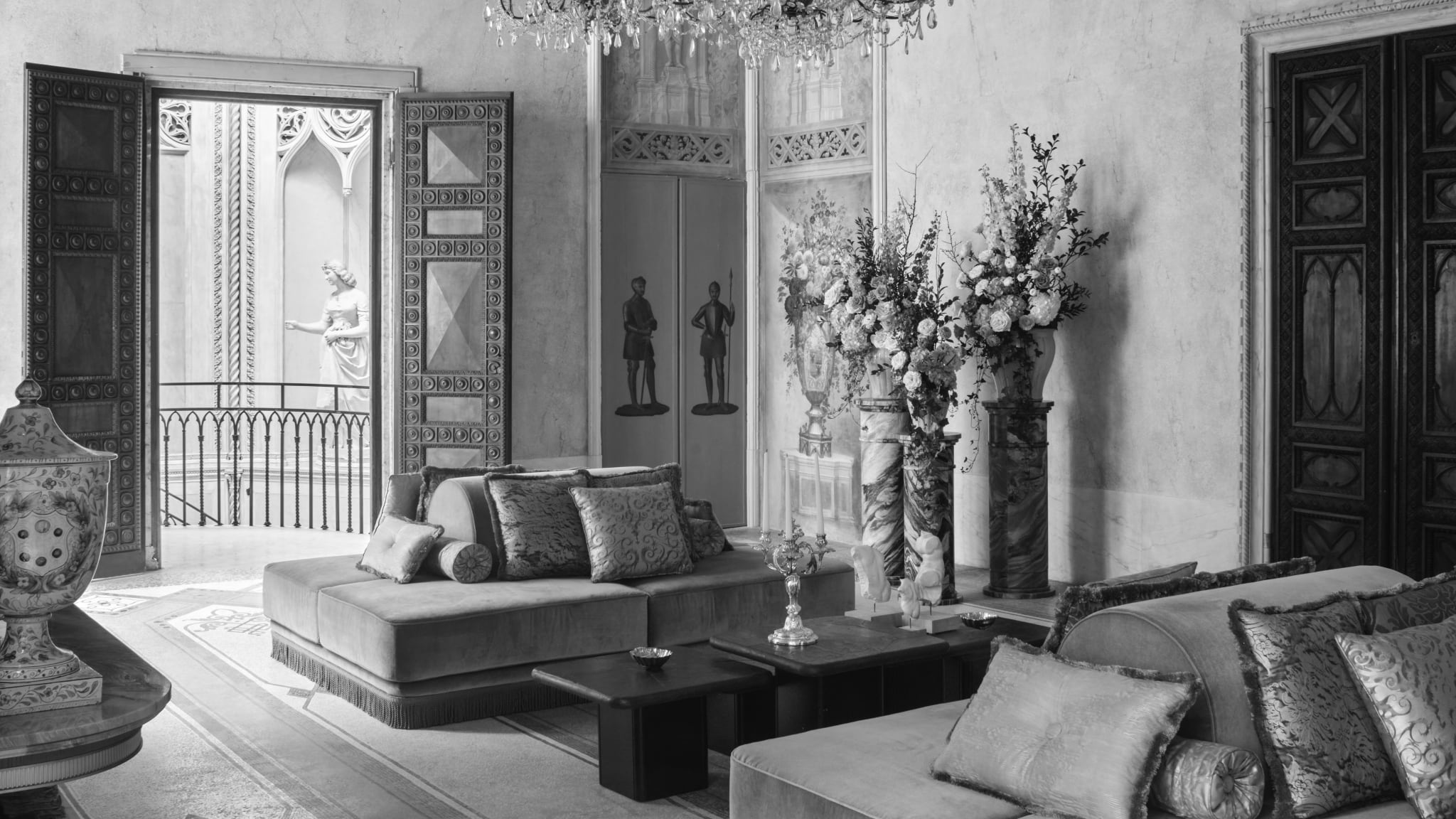
Inside, Isabel López Vilalta + Asociados has drawn upon the former cinema’s spatial logic rather than merely borrowing its imagery. Guests enter through what was once the stage, beneath the proscenium arch, before moving into a lobby conceived in layers of light, curved forms and deep, warm colour. The gesture is direct but restrained: the building does not require theatrical pastiche when its original structure already carries the drama.
The hotel’s 81 rooms and suites continue this language through names that acknowledge the auditorium’s vanished hierarchy. Gallery rooms, Amphitheatre rooms, Grand Stalls, Front Box and Corner Box suites make the old seating plan an intimate vocabulary for staying. The Cupula Suite occupies the space beneath the reconstructed dome, turning an architectural emblem into a private room of one’s own.
There is a useful lesson here in the relationship between preservation and comfort. Historic hospitality often falters when public rooms are treated as museums and bedrooms as generic containers for sleep. Palacio Bellas Artes instead lets a single narrative pass between shared and private spaces. Each guest room includes a work from Creation: Light, Movement and Gaze, a site-specific collection by Basque artist Lander Andonegi. The works are not an afterthought to the interiors; they extend the building’s central preoccupation with looking, framing and duration.
The luxury of a measured arrival
Much contemporary hospitality is organised around immediate access: seamless check-in, efficient circulation, instant service. These conveniences have their place, yet they can also flatten the emotional contour of a stay. At its best, a grand hotel provides a counter-ritual. It allows the traveller to arrive gradually, to leave the velocity of transit at the door and to understand a new place through a sequence of material impressions.
Palacio Bellas Artes is well suited to this slower form of entry. Its cinematic heritage gives particular meaning to shadow, upholstered depth and the interval between one room and the next. The building is in the centre of San Sebastián, within walking distance of the old town and the Atlantic shoreline, but it does not need to compete with the city’s movement. Its value lies in offering an interior from which the city may be approached with greater attention.
This is especially relevant in a place where meals are not simply scheduled necessities but social occasions with their own tempo. Lotu, the hotel’s restaurant, occupies the former theatre boxes across two levels and is led by Basque chef Andoni Luis Aduriz. Its premise is connective rather than performative: a dining room intended for conversation, changing appetites and the long middle of the day. A working bakehouse behind the kitchen supplies breads and pastries across the hotel, adding a daily, domestic note to an otherwise stately setting.
An urban resort, without retreating from the city
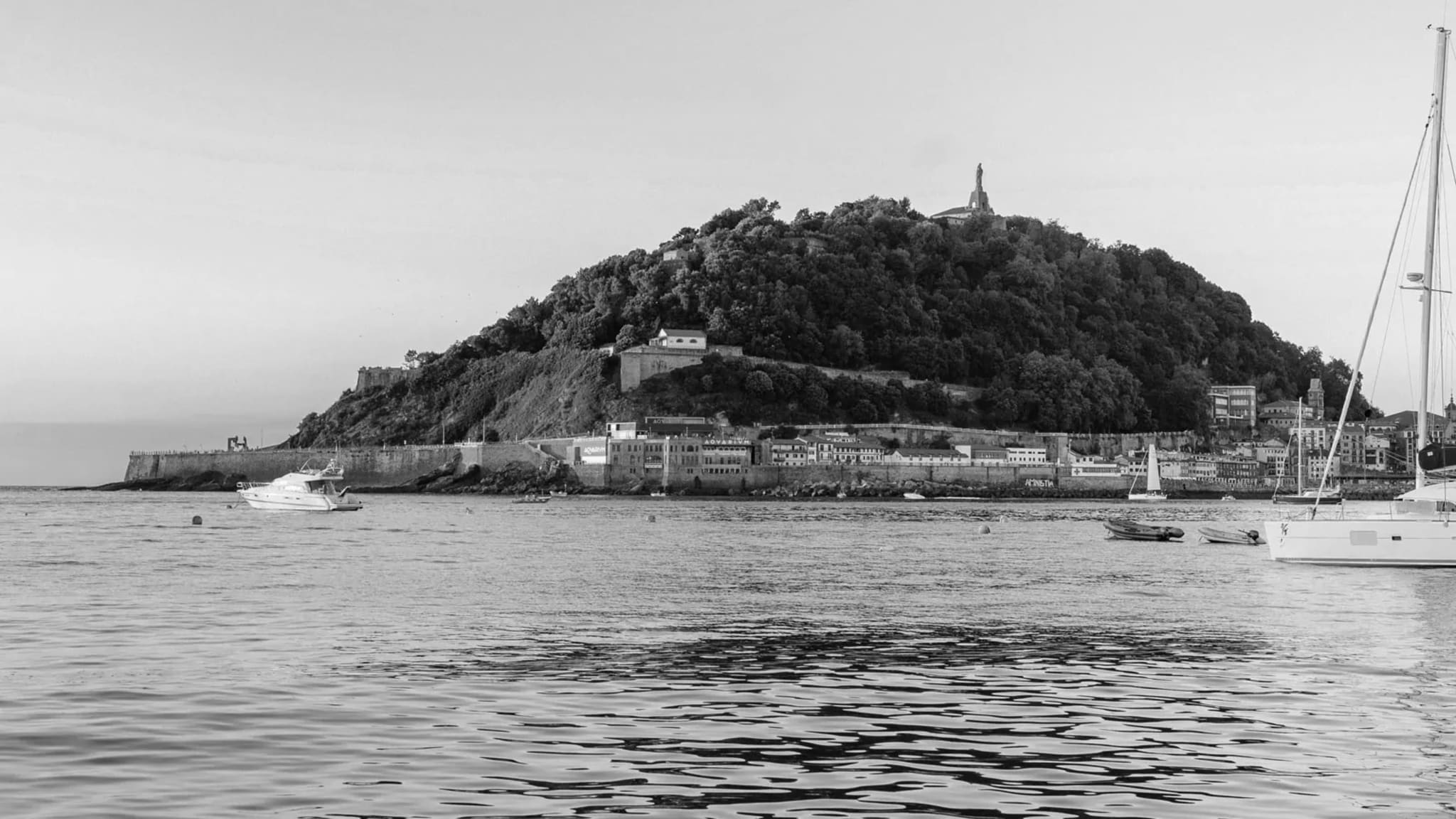
San Sebastián is not a resort in the enclosed sense. Its pleasures are dispersed between La Concha’s curve of sand, the formal gardens and façades around the bay, the old town’s bars and the green rise of Monte Urgull. The city rewards wandering, but also the art of returning. A hotel of character becomes the point from which a guest can set out lightly in the morning and regroup before dinner, changed by sea air and the particular fatigue of a day spent on foot.
That cadence suggests a more enduring notion of resort living: not escape as isolation, but restoration through proportion. A linen shirt worn after a late swim; a knit layer for an evening walk along the promenade; the small comfort of dressing for a lobby that respects the occasion. Such rituals are modest, but they determine the texture of time away.
This philosophy also informs ILHEMENT’s approach to sartorial resort loungewear: garments considered not as statements, but as companions to repose, movement and the transition between private ease and public presence. At Palacio Bellas Artes, the same principle is architectural. The building has recovered its ability to hold attention, not by demanding it, but by giving guests somewhere composed enough to pause.