Château de Cîteaux and Burgundy’s Deeper Measure of Time
There are hotel openings that add another address to a well-travelled map, and others that make a convincing case for staying close to one place. Château de Cîteaux, newly reopened in Meursault under Fontenille Collection, belongs to the latter category. Its proposition is not novelty for novelty’s sake, but a careful alignment of house, cellar, vineyard and time.
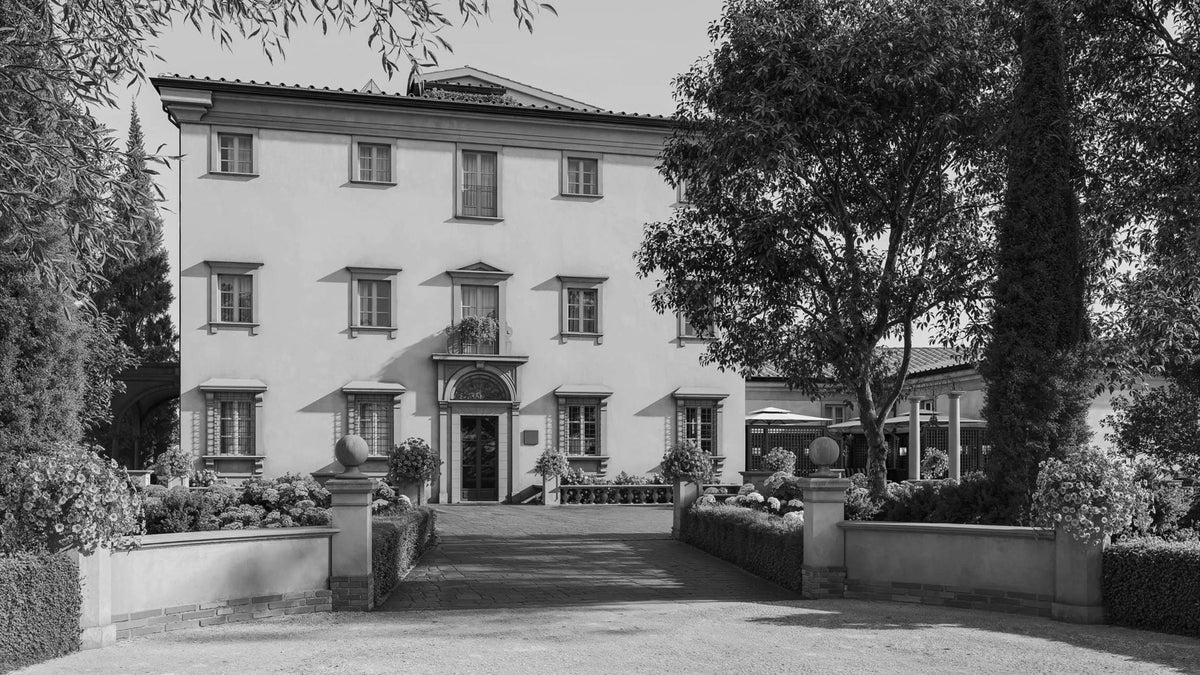
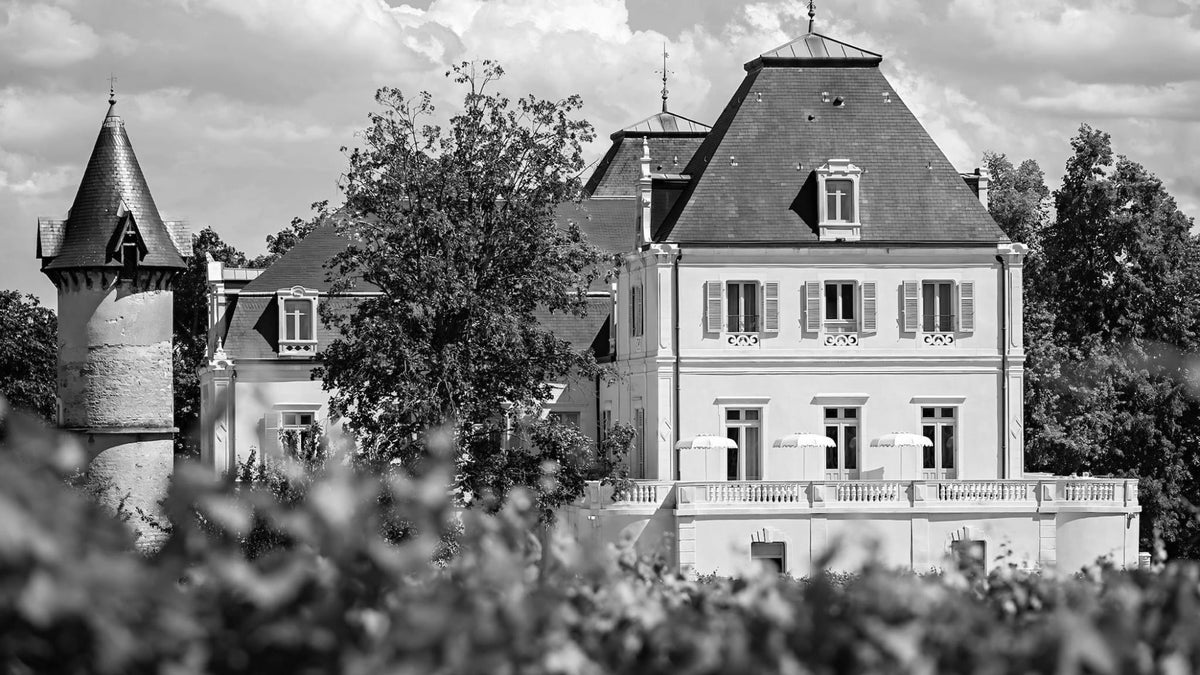
The Château de Cîteaux hotel stands in the Côte de Beaune above vaulted Cistercian cellars dating to the twelfth century. The present house was built in 1865 by architect Jules Bernard, placing a Second Empire residence over a much older working landscape of wine. This unusual vertical history gives the property its character: a domestic nineteenth-century façade above stone chambers formed for patience, storage and seasonal labour.
A House Built Above the Cellar
Meursault is not a place that requires much theatrical enhancement. Its identity is already embedded in low stone walls, vineyard rows, pale limestone and the measured order of its village streets. The château’s restoration is most persuasive where it accepts this existing authority. Rather than treating the cellars as a decorative historical footnote, the new hotel makes them a conceptual foundation for the stay.
The Cistercian connection reaches back to 1098, when the order was founded at the Abbey of Cîteaux. The monks were granted land in Meursault’s Vieux-Clos and established the cellars beneath the present property for vinification and storage. The château therefore arrives not as an isolated country-house hotel but as one chapter in a longer agricultural and monastic landscape.
This continuity matters. In a region where wine culture is often translated into instant spectacle, the building proposes a more useful form of immersion: understanding that the pleasure of Burgundy begins with conditions that cannot be hurried. Stone remains cool. Vines follow a calendar. A bottle asks for time before it asks for attention. The hotel’s architecture makes those facts palpable before a guest has ordered a glass.
Restoration Without Costume
The first phase comprises 18 rooms and suites in the château itself; the restored Vieux-Clos outbuildings are due to add a further 17 keys in January 2027. Across the interiors, references to the Second Empire are present but not performed too literally. Aged greens, earth tones, stone greys, patinated timber and parquet bring visual weight without turning the house into a period set.
That restraint is central to the project. The rooms are intended less as isolated suites than as points within an inhabited house, with views towards gardens, village roofs and the slopes around Meursault. Several open onto private terraces. In the public spaces, restored architectural fabric is allowed to lead: old stonework, panelling and the proportions of the original rooms establish the mood before new furniture enters the frame.
A library stocked in partnership with the French publisher Gallimard makes the case particularly clearly. It gives the house an unprogrammed room, one designed for reading rather than consumption. This is a small but telling choice. A cultivated hotel does not need to fill every hour; it needs to give idleness a proper setting.
The Ritual of the Vineyard
The restaurant, Célestine, is named after a painted figure on the ceiling of one of the château’s salons, believed to depict Jules Bernard’s daughter. Under chef Christophe Vauthier, the kitchen works with the direct vocabulary of Burgundy: Bresse poultry, river fish, local vegetables, snails and regional cheeses. The aim is not to make the dining room feel pastoral, but to allow the immediate landscape to determine its table.
Wine carries the wider narrative. The cellar list moves between the established appellations of the Côte de Beaune and neighbouring growers, while the château’s former owner, Philippe Bouzereau, remains an important local reference point. Tastings in the old cellars, meetings with producers, vineyard picnics and harvest mornings turn the familiar language of wine tourism into something more grounded. Each activity begins with the land rather than the itinerary.
This is where the Château de Cîteaux hotel finds its strongest rhythm. It does not separate wellbeing, food and place into branded compartments. The spa, developed with Alaena, occupies nearly 190 square metres within the château and looks towards the gardens and vines. Treatments draw on botanical formulations alongside techniques including Kobido and Tui Na; a heated outdoor pool extends the quieter, less prescriptive idea of restoration. The indoor pool and jacuzzi are scheduled to follow in December 2026.
A Different Kind of Escape
Luxury in Burgundy has always depended on discernment: knowing that the most memorable table may be a modest one, that the best view is often framed by a working vineyard, and that an old building should not be made to deny its age. Château de Cîteaux understands this. Its newness lies in the joining-up of things that were already there: a family wine estate, historic cellars, a nineteenth-century residence and a landscape whose value has been built over centuries.
For guests, the appeal is the chance to inhabit that slower register. A morning in the vines, a late lunch, a book in the library and an unhurried return to the cellar form a more convincing itinerary than a schedule of manufactured experiences. This philosophy also informs ILHEMENT’s approach to sartorial resort loungewear: comfort is most meaningful when it is shaped with intention, material awareness and room to breathe.
Château de Cîteaux does not ask Burgundy to become something new. It simply gives its oldest disciplines—craft, cultivation, hospitality and repose—a house from which to be experienced afresh.